
Safeguarding grove biosecurity during severe weather
By Laura Thomas
Australia is experiencing a season of contrasts, with unpredictable and rapidly changing spring weather conditions providing a challenge for farmers everywhere.
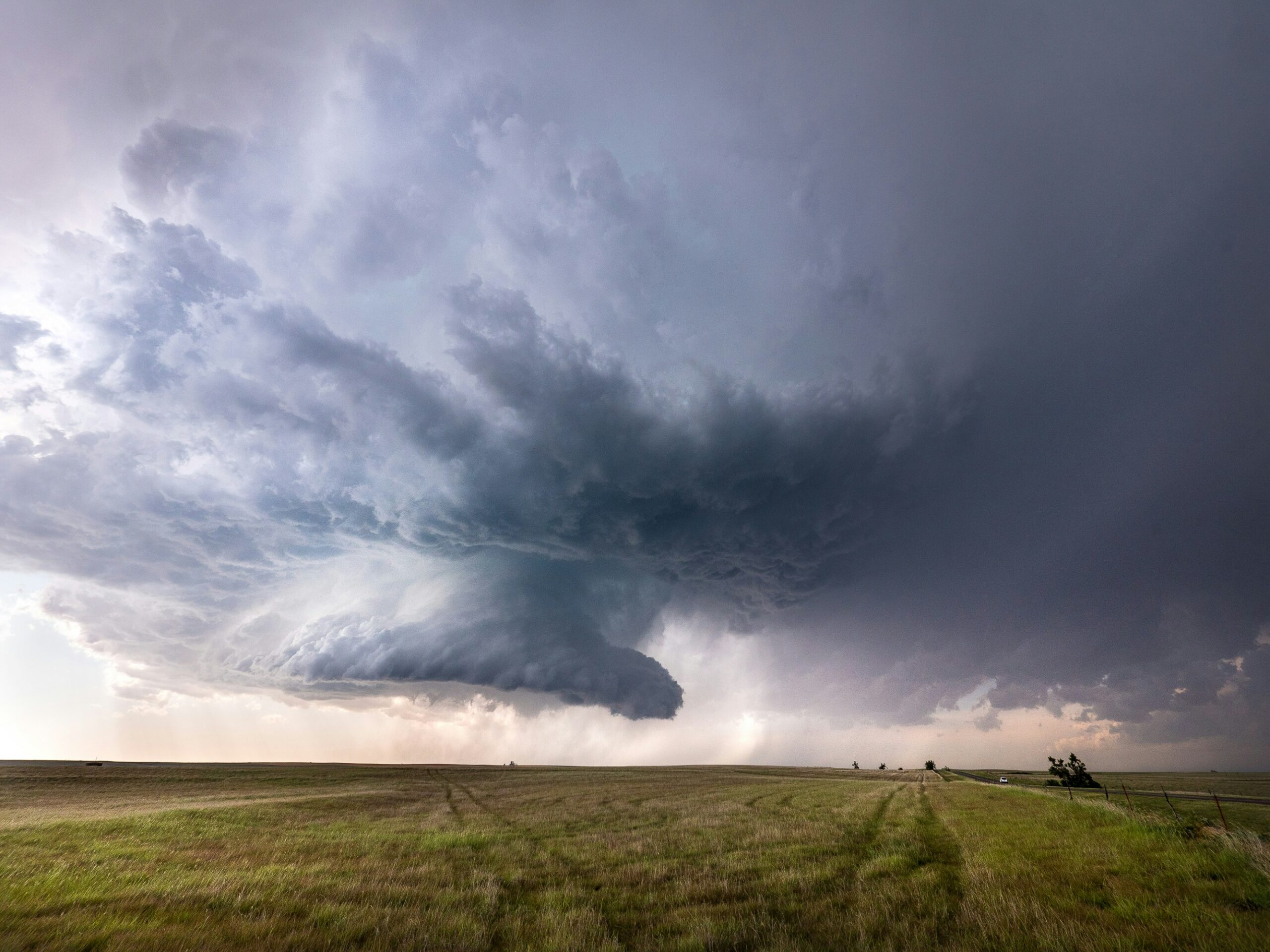
The contrast has been particularly stark this week, as some parts of the country sweltered through a 45 degree heatwave as others were being battered by storms.
Australia is truly a land of weather extremes and thanks to a changing climate, that’s not going to change any time soon.
Increased rainfall variability, extreme heat and more frequent extreme events like fires, droughts and floods are challenging Australia’s primary industries, food system and farmers, like never before.
But while the effects of severe weather on food productivity, quality and security are well documented, have you stopped to think about the impact these factors can have on biosecurity?
Biosecurity risk during severe weather
While severe weather causes an immediate safety, property and production risk for farmers, it also has the potential to create new and ongoing biosecurity challenges.
Floods, heavy rain and strong winds can spread soil, weeds, plant pathogens and animal diseases across the landscape, from farm-to-farm.
Severe weather does not respect property boundary lines, opening the floodgates (quite literally!) for new risks on your farm – and your neighbour’s!
According to the Farm Biosecurity website:
- Flooding and stormwater movement can carry plant and animal material long distances, potentially introducing weeds, soil-borne diseases or pests into previously unaffected paddocks. Floodwaters do not respect farm boundaries — what was contained on one property can quickly cross into another.
- After prolonged rain or flooding, favourable conditions for weed germination and disease spread increased risk, especially if soil and organic debris are left scattered across the property.
- Bushfires may not only damage infrastructure and pasture, but also disturb vegetation and feral animal populations, creating new pathways for pest movement and gaps in established biosecurity barriers. Anticipating and planning for these outcomes reduces potential long-term impacts.
Find out more about how you can protect your farm’s biosecurity when severe weather strikes.
Biosecurity for olive growers
The new Biosecurity Plan for the Olive Industry was released in September and is available on the AOA website.
You can read more about the plan’s development and release, in the September edition of R&D Insights.
For more helpful information on biosecurity best practice, including the six key ways to protect your property from an incursion, take check out the Farm Biosecurity Action Plan for Olive Growers
Be prepared for severe weather
Severe weather can develop quickly, threatening lives, property and biosecurity.
As aways, preparation is key. Knowing your local weather risks, having an emergency plan and staying up to date with official warnings is the best way to prepare.
Find out how to set up BOM Weather app warning notifications.
For information to help you prepare, respond and recover, visit the National Emergency Management Agency.
Sources
www.farmbiosecurity.com.au
www.bom.gov.au
www.agriculture.gov.au
www.acs.gov.au
R&D Insights