
Help protect against H5 bird flu – See it. Record it. Report it.
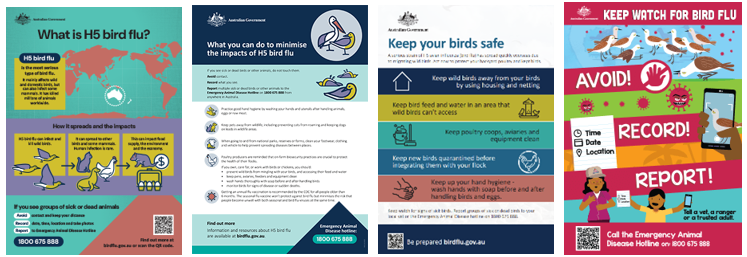
Biosecurity is an important area of levy R&D activity and there’s a new, important message for us all: with H5 bird flu detections now increasing across Australia, we all need to play our part and keep watch for the signs.
Important note: if you see sick or dead birds or other animals, you should not touch them. If there are multiple sick or dead birds or other animals, take photos or a video. Record your location and report it to the 24-hour Emergency Animal Disease Hotline on 1800 675 888.
In recent years the highly contagious H5 strain of bird flu has spread fast around the world, causing severe disease and high death rates in poultry, wild birds and affected mammals. Overseas, H5 bird flu has been detected in:
- domestic pets including cats and dogs;
- farm animals including dairy cows, and sporadically pigs, sheep and goats;
- marine mammals including dolphins and seals;
- wild animals including foxes and polar bears.
Multiple cases of H5 bird flu have now been confirmed in Australia, including recently in sea mammals and foxes. To date it has not been detected in poultry and has not become established in any part of Australia.
How bird flu spreads
Infected birds can spread the virus through body fluids, droppings and feathers. In the right conditions, the virus can survive in the environment for months. The virus can spread through contaminated clothing and shoes. It can also spread through animals, vehicles and equipment, and items like egg cartons.
Most bird flu strains do not spread easily from animals to people. There is no evidence that the current H5 bird flu strain spreads between people.
Signs of bird flu
Infected animals might look very sick, or show no signs at all. Sometimes birds can die suddenly without warning. That’s why it’s important to report any sick or dead birds or other animals, even if you’re unsure.
Stay informed
The latest information on the H5 situation is available on the DAFF H5 bird flu updates page. There are also downloadable resources including fact sheets and videos here, and information including Common signs of bird flu in animals and State and territory H5 bird flu information here.
Remember …
Biosecurity starts with you. If you notice anything unusual or are unsure, call:
- Exotic Plant Pest Hotline: 1800 084 881
- Emergency Animal Disease Hotline: 1800 675 888
- Biosecurity Redline: 1800 803 006