
Fire preparedness a must as “extreme” fire danger season heats up
By Laura Thomas
Australian farmers are being warned against complacency, as the annual fire danger season begins to heat up.
The Australian and New Zealand Council for Fire and Emergency Services’ (AFAC) national bushfire outlook for spring predicted a heightened risk across much of the country, driven by dry conditions and increased fuel loads.
An ever-intensifying “super” El Niño is also tipped to produce some of the most extreme bushfire conditions on record.
For rural landholders, thorough fire prevention is crucial.
Fire poses an ongoing threat to both business and way of life – years of hard work and dedication can be destroyed in an instant.
Bushfires and grassfires often spread quickly, so preparation is your best defence.
Fire preparedness is an important part of overall business management planning and includes identifying risks and preparing well ahead of the annual fire danger season.
All rural landholders, farm owners and managers have a crucial role to play in both reducing the risk and stopping the spread of bushfire.
And while the risk can never be eliminated entirely, there are things you can do to reduce the impact.
AOA Chief Executive Officer Michael Southan urged Australian olive growers to remain vigilant around bushfire and ensure their properties are properly prepared.
“Weather and climate may be outside our control, but there are many practical things farmers and rural landholders can do to protect themselves and their livelihoods,” he said.
“Taking the time to properly prepare your grove and ensuring you have a good bushfire management plan in place is the best way to minimise impact and allow for a faster recovery, should a bushfire occur.”
So what should you be doing to prepare? Here’s a few tips to get you started, but as always, seek expert advice from the fire authority in your state.
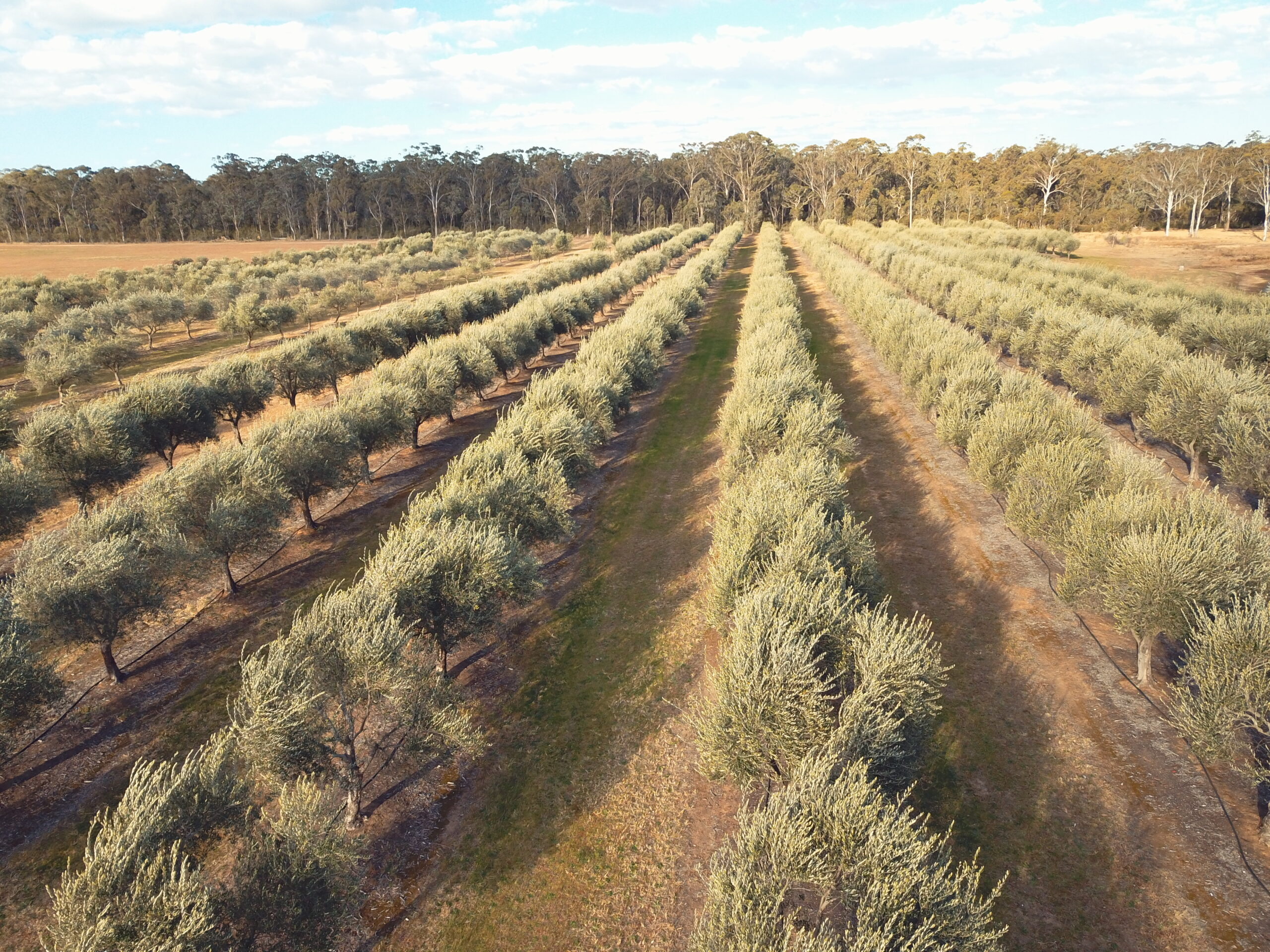
- Clean up around the grove: Minimise fuel loads by mowing or slashing long grass. Keep clear space around your property by making sure dry vegetation is removed from around the grove, shedding and infrastructure.
- Get your firefighting gear organised: Keep a farm firefighting unit with a water tank, pump and hoses ready and accessible. Make sure everything is in full working order and ready to go in the case of an emergency.
- Keep water on hand: Make sure you have access to an independent water supply such as a dam, tank or creek.
- Ensure clear access: Keep driveways and property access points clear to enable quick and easy entry for vehicles and fire appliances.
- Review your bushfire management plan: A good fire plan is a key part of your business management. Review your plan and ensure it is up to date. Ensure fuel reduction is conducted regularly throughout the year. Your plan should also include a current farm map, the location of water and firefighting equipment, evacuation routes and agreed refuge points.
- Conduct fire training: Make sure family members or employees are well briefed on your grove fire management plan and are able to locate and operate all firefighting equipment. Carry out on-farm fire training ahead of fire season.
- Compile emergency contacts: Make sure you have a list of relevant emergency contacts compiled and clearly accessible for reference in a hurry.
- Monitor fire danger: Check the fire danger rating for your area regularly during the fire season and plan your grove activities accordingly. It’s never a good idea to use machinery in high fire risk conditions. Always carry fire suppression equipment.
- Talk to your neighbours: Work together to keep properties and lives safe.
Of course the fire authority in your state is always the best place for expert advice and assistance with fire preparedness requirements and legal obligations, strategies and bushfire management plan preparation.
Check out the fire contacts in your state for more information
NSW Rural Fire Service
SA Country Fire Service
VIC Country Fire Authority
WA Department of Fire and Emergency Services
Tasmania Fire Service
ACT Emergency Services Agency
NT Fire and Rescue Service
What can you do to protect your grove in the event of a bushfire?
Preventative grove irrigation – when used as part of a broader bushfire preparedness strategy – can be an effective way to help reduce fire damage and improve tree health and survival.
Take a look back on this article on bushfire preparedness and preventative irrigation, available now on the AOA website.
Sources:
www.afac.com.au
www.bom.gov.au
www.abc.net.au
www.australianolives.com.au
State fire authorities, as listed above