
Aussie farm gate production to hit $100 billion, as olive industry confidence soars
By Laura Thomas
It’s no secret Australian agriculture is booming, as demand for the nation’s world-class food and fibre continues to grow.
According to the ABARES March 2026 forecast, Australia’s farm gate production will reach a gross value of $101 billion this financial year, eclipsing national industry targets well ahead of time.
But production is expected to ease in 2026-27, as seasonal conditions and a volatile trade environment impact the bottom line.
The predicted sector valuation reflects higher production and export values, according to ABARES Executive Director Dr Jared Greenville.
“Following the strong performance this year, we’re expecting production to ease in 2026-27, with below average rainfall expected for much of southern Australia in autumn,” he said in a media release on Tuesday.
The forecast predicts the gross value of farm production will drop 6% to $95 billion next financial year – a figure which is still historically high.
Horticulture production value is also on the rise.
The value of the country’s third largest agricultural industry is predicted to top $19 billion this year, before rising a further 3% in 2026-27, against the broader agriculture trend.
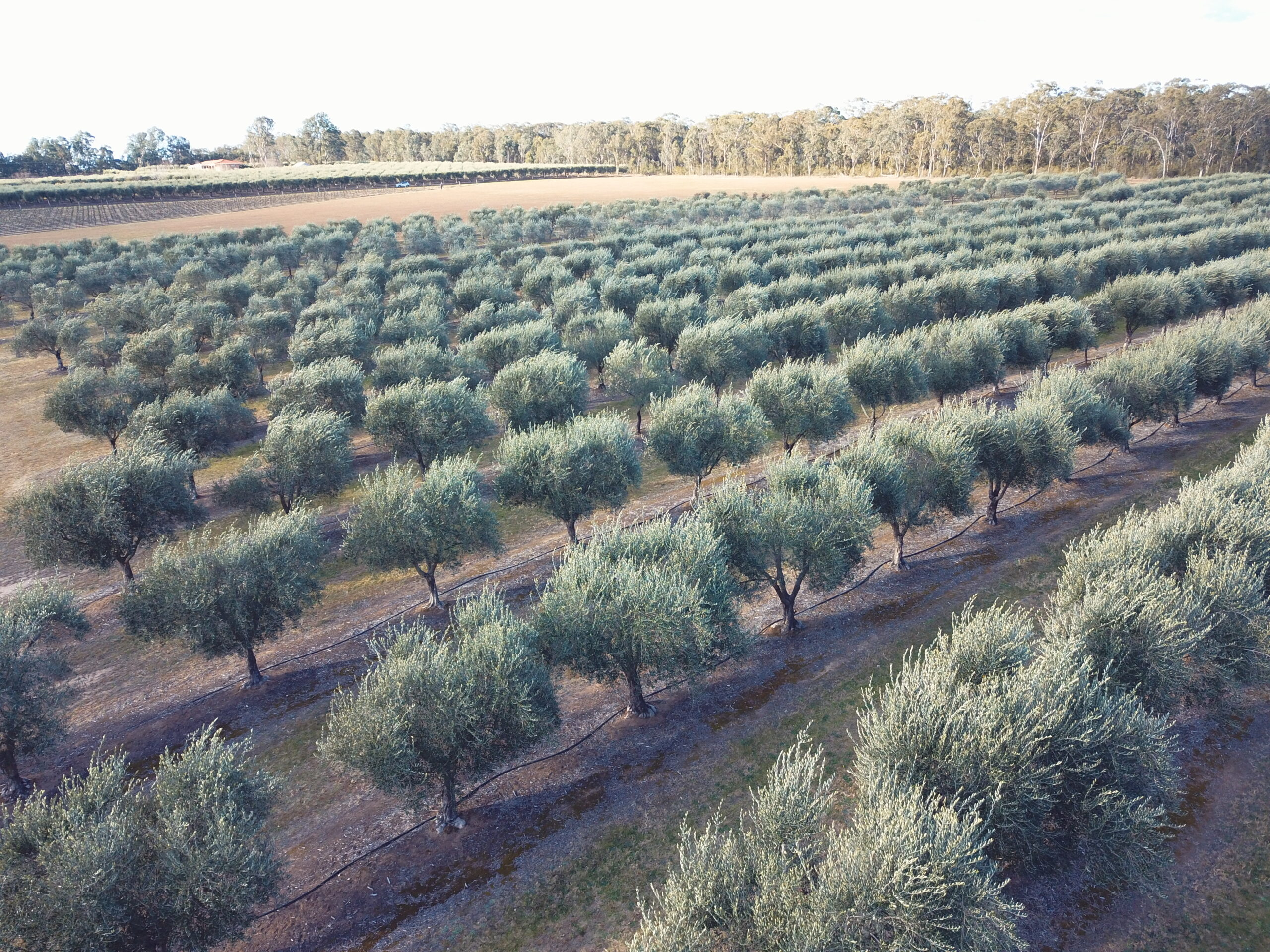
Australian Olive Association Chief Executive Officer Michael Southan said the latest ABARE predictions mirrored the steady growth experienced within the olive industry in recent years.
Like thousands of primary producers across the country, Australian olive growers have juggled drought, frost, flood and soaring input costs to produce strong yields.
And according to the latest Australian Horticulture Statistics Handbook, olive production value was up 39% year-on-year in 2024-25.
“Our industry has gone from strength to strength in recent years. New growers are joining our industry and consumer demand is high, driven by the health benefits and quality of Australian-grown olives and oil,” Mr Southan said.
“Traditionally, Australian olive growing operations have been small to medium scale and family-owned.
“Now thanks to increasing market and investor interest, we’re seeing larger scale plantings and strong investment taking place right across the country.
“This represents a growing confidence in our industry and its potential.”
But Mr Southan warned that while industry optimism remained high, farmers’ resilience would continue to be tested.
“Changing climatic conditions and rising farm input costs will continue to challenge producers,” he said.
“Already, the conflict in the Middle East is expected to drive up the cost of things like diesel and fertiliser.
“But that’s just the ever-changing nature of farming.
“It’s an exciting time for Australian olives and the broader horticulture and agriculture sectors, that’s for sure.”
Sources:
www.agriculture.gov.au/abares
www.australianolives.com.au
Agricultural Commodities Report March 2026
Australian Horticulture Statistics Handbook
www.nff.org.au