
Olive producers squeezed as farm input costs soar
By Laura Thomas
Australian olive growers are being urged to plan ahead this harvest, as soaring farm production costs continue to hit the bottom line.
Farmers across the country are facing production challenges, driven by an ever-changing climate and ballooning input costs.
Climatic factors including drought, flood and extreme heat are impacting agriculture and food production world-wide.
The cost of farm input and production costs such as fuel, energy, plant and equipment, labour and other consumables is also sky-rocketing, affecting profits.
It seems farmers’ resilience is being tested like never before.
Just last week it was announced Australia’s farm gate production would reach a gross value of $101 billion this financial year, before easing in 2026-27 as a result of changing seasonal conditions and a volatile trade environment.
But now it seems farmers are already feeling the pinch, as ongoing conflict in the Middle East pushes the cost of fertiliser and fuel skyward.
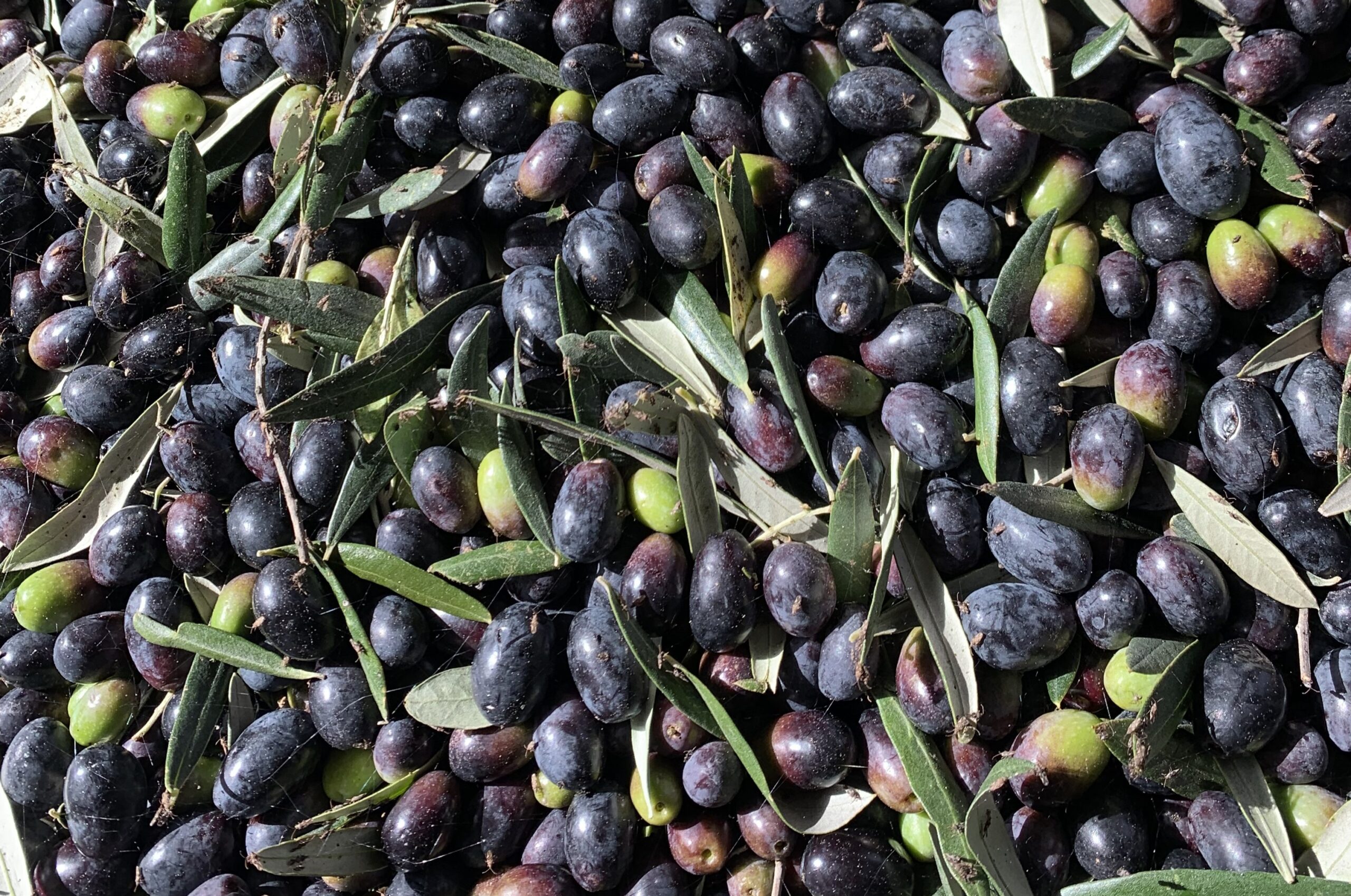
The annual olive harvest will get underway across Australia in the coming weeks.
For growers, a well-timed and executed harvest is a key determining factor in oil quantity and quality – and profitability.
So as costs continue to mount, good planning has never been more important.
Whether you rely on hand-harvesting or your enterprise is fully mechanised, our handy check-list below will help you ensure your operation is carried out as efficiently as possible.
Timing is key
Know when your fruit will be ripe and keep an eye on it. The timing of individual harvests varies across Australia due to climate, ripening and operational factors.
Organise your team
Ongoing labour shortages may make sourcing a picking crew difficult. Luckily, assistance is available. Visit our website for contacts and more information.
Lock-in your contractors
If you’re relying on paid labour, ensure your harvest contractor is booked and confirmed well in advanced. Get it in writing.
If you’re planning to have your olives commercially processed, make sure that’s booked and any necessary transport is confirmed, too.
Check your equipment
Ensure it is clean and ready to use.
Carry out any necessary maintenance. Have equipment serviced, if required.
Ensure your harvest bins and containers are clean, on-site and big enough for your crop.
Eliminate contamination risk
Sheep grazing the grove? Remove them well in advance of harvest to eliminate the risk of faecal contamination of your olive crop.
Spraying for pests and weeds? Check the label of any insecticides and herbicides used in your grove to ensure any withholding period requirements are met prior to harvest. You’ll find details of all chemicals currently permitted for use on olives on the Agricultural Pesticides and Veterinary Medicines Authority (APVMA) website.
Ensure ongoing grove biosecurity
Review your grove biosecurity management plan and documentation to ensure your grove and the wider Australian olive industry remain free of harmful insects, weeds and disease.
Make sure biosecurity gate signage is clearly visible to inform guests and contractors they are entering a bio-secure site. Haven’t got one? Purchase or download via the AOA website.
Know your biosecurity risks and how to address them – access the Biosecurity Action Plan for Olive Growers.
More resources to help you plan for success in 2026
There’s plenty more helpful articles and resources on the AOA website.
Check out the Yearly Orchard Planner, find out how to identify the prime harvest time for your crop, learn more about working with contractors via our Olivegrower & Processor article Contractor arrangements: be informed and lock it in! and much more.
Sources:
www.evokeag.com
www.australianolives.com.au
www.abc.net.au
Image: Michael Thomsett